
Thursday, 26. November 2026
“Do not lose hope”: A Conversation with Lizwi Mtumtum
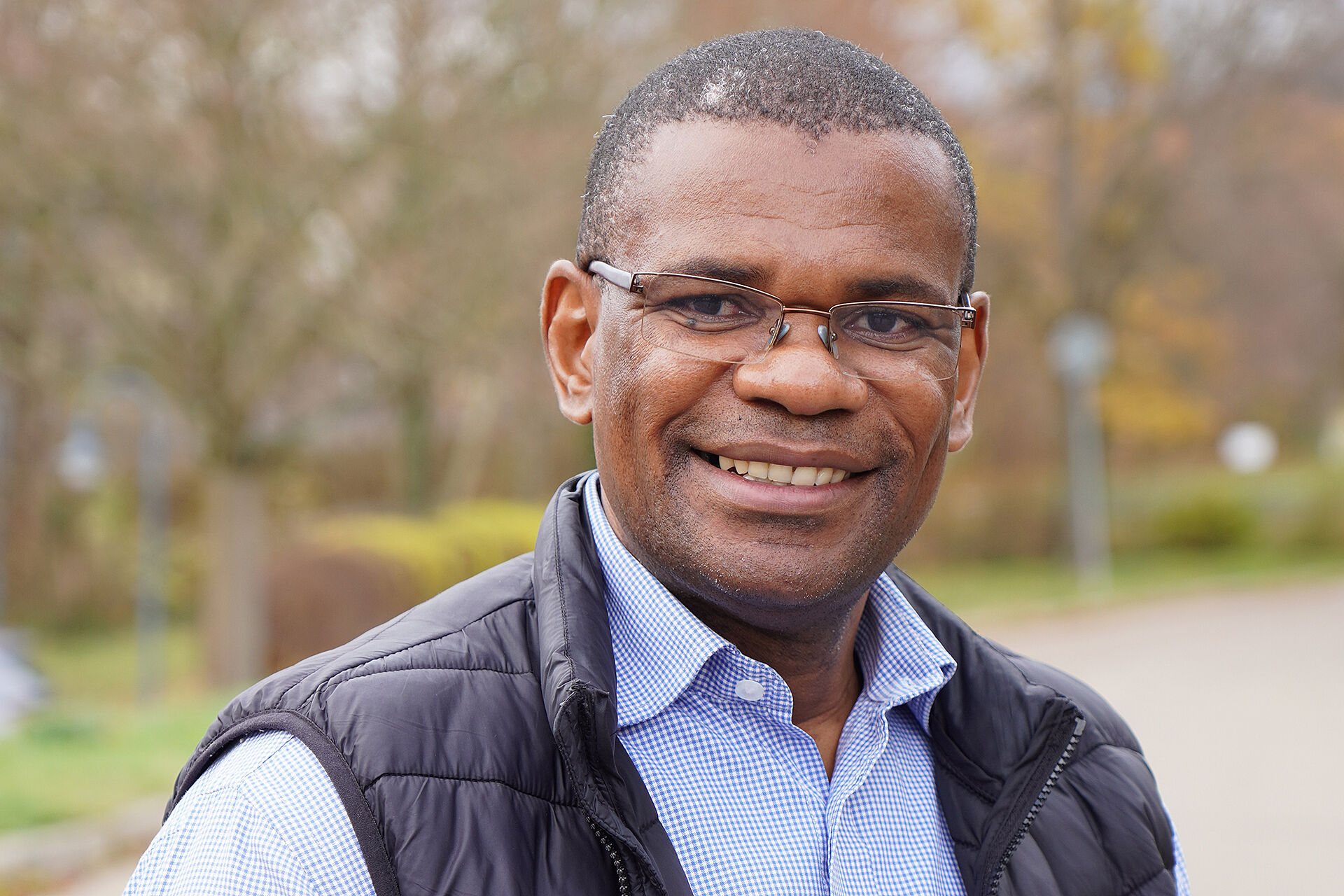
Lizwi Mtumtum chaired the working group that developed the EMS Agenda 2026–2031, “Ambassadors of Hope” that was adopted by the recent General Assembly. He has been closely involved with the Evangelical Mission in Solidarity (EMS) since 2022 and currently serves on the EMS Mission Council and the Finance Committee.
In this interview, the President of the Moravian Church in South Africa (MCSA) reflects on the meaning of hope, the future of the EMS fellowship, and the role of churches in a changing world.
You chaired the working group behind the EMS Agenda 2026–2031 “Ambassadors of Hope.” What inspired this theme?
The theme emerged from discussions in the Mission Council about the future direction of EMS. As we reflected on the world we live in and the challenges facing our churches and societies, one idea kept coming back: hope.
We asked ourselves what hope means today and what hope we can offer to our member churches and to the world. Out of those discussions came the idea of being “Ambassadors of Hope.” It is rooted in the conviction that, despite all the challenges around us, there is still reason to hope.
Was this an inward-looking theme, focused on the member churches themselves?
No. It was much broader than that. Of course, hope begins within our churches, but the focus was always outward-looking. We wanted a theme that speaks to the wider world and our responsibility within it.
During the consultation process, you received feedback from many members. What stood out to you?
What struck me most was that, despite our very different contexts around the world, we are united by our faith in Jesus Christ. That common faith is the foundation that holds us together as a fellowship.
Another thing that became clear was the strong commitment of member churches to EMS. People want the fellowship to continue and to flourish. They value the work that has already been done, and they believe there is still much more that can be achieved together.
Why is hope such an important theme is that respect?
Many of us are living through difficult seasons. When you meet others who are facing similar or even greater challenges and see how they continue to move forward, it strengthens your own confidence that a better future is possible.
Hope is what keeps communities, churches and individuals moving. It is the belief that tomorrow can be better than today.
Can you share a concrete example?
When the Mission Council met in Bali, Indonesia, in 2025, we also met people facing droughts, floods and other severe challenges. Yet what impressed me was their resilience. Instead of giving up, they use the resources they have to build something for themselves and their communities.
That taught me an important lesson: do not wait for someone else to solve your problems. Start where you are, with what you have. Then others can come alongside you and strengthen what you have already begun.
That is a lesson I have tried to apply in youth ministry in my own church, the MCSA. We encourage young people to take initiative rather than wait for others to act.
The agenda is meant to guide EMS over the next six years. What would you like to see by the end of that period?
First, I would like to see a financially sustainable EMS.
Second, I would like to see stronger ownership of the EMS fellowship among all member churches. Many people still think of EMS primarily as an organization in Germany. But EMS belongs to all of us. Every member church that carries out ministry in the name of EMS is part of that shared mission.
I would also like to see more cooperation among member churches. Relationships should not only be between individual churches and Germany. There should be more cooperation across the entire fellowship.
And finally, I would like to see more young people actively involved, both in EMS and in the life of their local churches.
How can local congregations become ambassadors of hope?
Churches need to avoid becoming inward-looking. Many congregations are concerned about declining membership or limited financial resources, but we should focus more on how we can serve our communities.
We can take the lessons we have learned through the EMS fellowship and apply them locally. In South Africa, for example, we face the challenge of gender-based violence and femicide. Churches can use the knowledge and resources gained through EMS programs and partnerships to support communities and work alongside others who are addressing the same issues.
Hope becomes visible when churches take action in the places where they are.
How do you connect the vision of “Ambassadors of Hope” with financial sustainability, and what opportunities do you see for EMS from a financial perspective?
For me, the two are inseparable. If we want to bring hope to people, we also need the resources to act and make a lasting difference. That is why financial sustainability is so important for the future of EMS.
Despite all the challenges, I remain optimistic. We have a strong foundation to build on. If we communicate our work clearly and convincingly and invite people to support specific projects, we can develop new sources of funding and further strengthen the EMS fellowship.
Finally, what message of hope would you like to share with the EMS fellowship?
Do not lose hope.
Keep hope alive and trust in God. Even in difficult times, there are people willing to walk alongside you and support you.
Sometimes we become discouraged and stop looking beyond our immediate challenges. But when we reach out to others, we discover that we are not alone.
That is the strength of fellowship. And that is why hope remains so important.