
Thursday, 27. August 2026
After Years of Division, GMIH Takes Historic Steps Toward Reunification
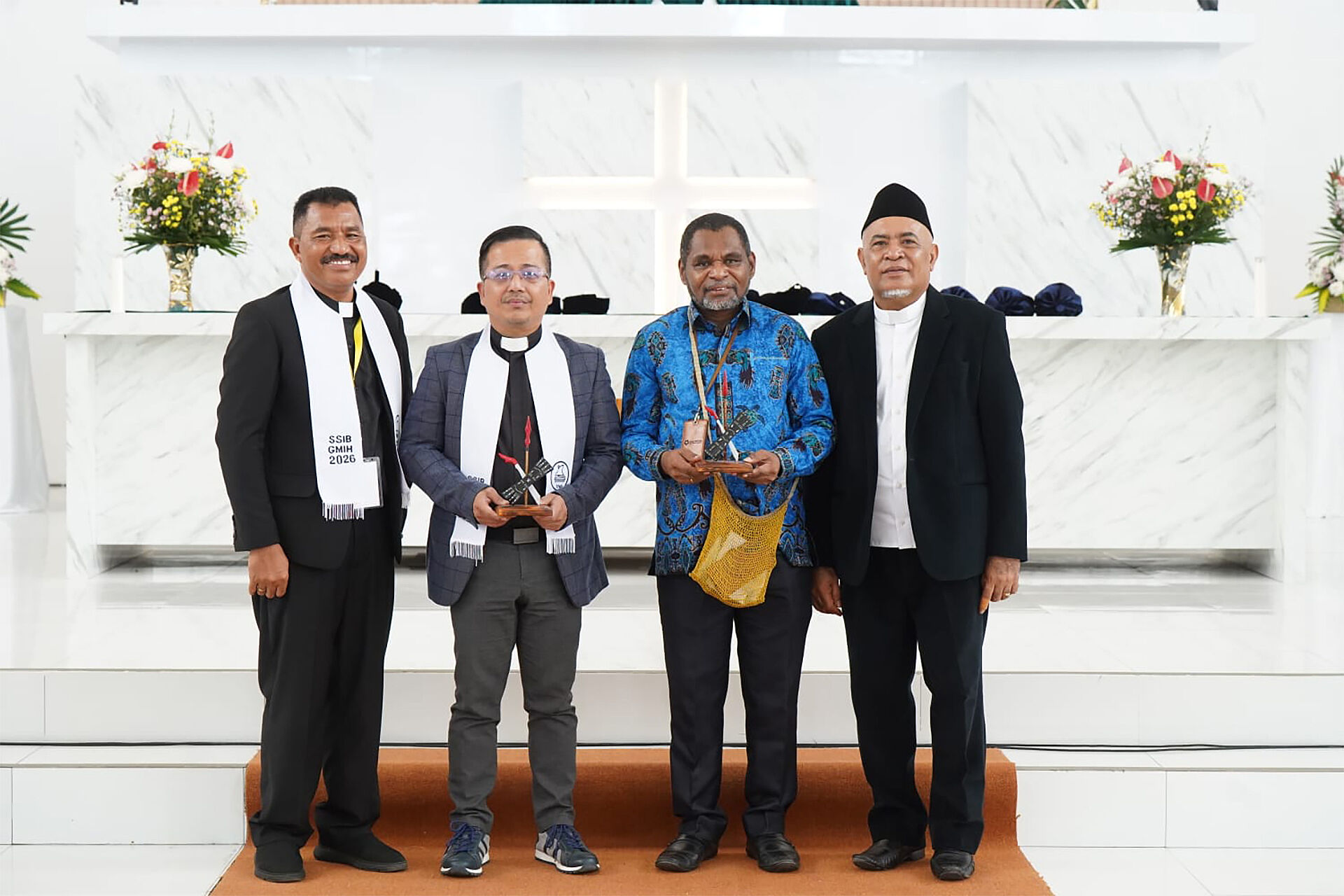
After more than a decade of internal conflict that began in 2013 and deeply affected the life and ministry of the Evangelical Christian Church in Halmahera (GMIH), Indonesia, the church has reached a historic milestone on its journey toward reconciliation and unity.
From 23 to 26 July 2026, GMIH successfully held a joint Extraordinary Synod Assembly (Sidang Sinode Istimewa Bersama, SSIB), bringing together leaders, pastors, and representatives from both synod groups in a spirit of unity and collaboration. These annual gatherings, held since 2024, have become important milestones on the path toward restoring the unity of GMIH, reflecting a shared commitment to healing past divisions, fostering reconciliation, and building a common future together.
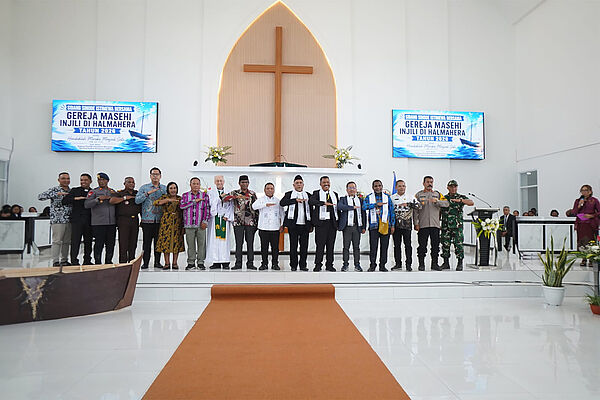
The SSIB represented far more than an administrative gathering. It became a visible expression of reconciliation after years of division, mistrust, and separation within one of Eastern Indonesia's largest Protestant churches. Through dialogue, prayer, and mutual commitment, a renewed sense of fellowship and hope had grown among participants in the past years.
In his address to the assembly, GMIH Synod Chairperson Rev. Dr. Demianus Ice emphasized that the era of division had come to an end:
“There is no longer a GMIH Jalan Kemakmuran or a GMIH Jalan WKO. Today, we celebrate the Feast of Returning to the Path of Love and Grace, for all these have become one.”
He underscored that reconciliation was not a matter of winners and losers, but a testament to Christian unity and shared faith.
GMIH Synod Vice Chairperson Rev. Anselmus Puasa echoed this message, saying:
“This reconciliation is not merely about bringing the two sides back together; it is about restoring us as one great GMIH family. We set aside our differences and walk together once more in the love of Christ, for the Church is called not to be divided, but to be one in fellowship and love.”
The assembly stands for a significant milestone in GMIH’s recent history, marking a decisive step toward healing and reconciliation while laying a strong foundation for the full ecclesiastical reunification of the church.
A conflict that shaped a generation
GMIH, one of the largest Protestant churches in Eastern Indonesia, has long played a significant role in spiritual ministry, education, social development, peacebuilding, and community empowerment across North Maluku. However, disagreements over church governance, leadership, and synod processes led to a major conflict in 2013. The dispute resulted in two separate leadership structures: GMIH Jalan Kemakmuran, led by Rev. Anton Piga, and GMIH Jalan Pemerintahan, led by Rev. Lewian Sambaimana. What began as an internal disagreement evolved into one of the largest church conflicts in modern North Maluku history, affecting congregations, clergy, families, church assets, and ministry activities.
The division created significant emotional, spiritual, and organizational strain. At its height, the Jalan Kemakmuran synod included approximately five hundred congregations and 360,000 members, while the Jalan Pemerintahan synod (which moved its offices to Jalan WKO in 2022) included about 210 congregations and 120,000 members. Numerous reconciliation efforts involving church leaders, government authorities, community figures, and the Communion of Churches in Indonesia (PGI) did not achieve a lasting breakthrough for many years. Distrust remained strong, and the wounds of the conflict deepened.
Leadership for reconciliation
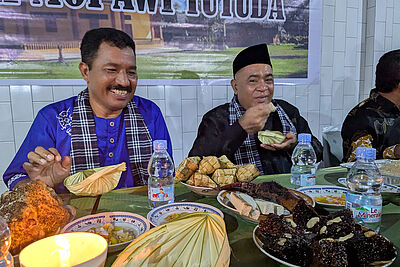
A turning point came under the leadership of Rev. Dr. Demianus Ice, who became Synod Chairperson in 2017 and was re-elected for a second term. Rather than focusing solely on legal or administrative solutions, he promoted a pastoral and relationship-centred approach built on dialogue, trust-building, forgiveness, servant leadership, and Christian fellowship. Through sustained communication with leaders and pastors from both synod groups, trust gradually began to be restored.
This approach led to a landmark breakthrough in 2024, when both sides publicly declared their commitment to reconciliation and reunification. The process gained further momentum in 2025 through a Sunday Pulpit Exchange Program, allowing pastors from both groups to preach and minister in one another's congregations. The initiative helped overcome years of separation and rebuild fellowship across the church.
Further progress was achieved through the establishment of the GMIH Unification Team, chaired by Rev. Dr. Demianus Ice, with Rev. Amos Puasa serving as Vice Chairperson. During the 2026 synod assembly, both sides worked to harmonize church documents, align organizational structures, and reconcile ecclesiastical procedures in preparation for full reunification. Church leaders hope the process will culminate in a united General Synod Assembly in 2027 that will elect a single synod chairperson and unified leadership body.
Looking ahead
While challenges remain, particularly in healing relationships and integrating church structures, GMIH's journey is increasingly viewed as a powerful example of Christian reconciliation in action. The progress made over recent years shows that even long-standing divisions can be overcome through humility, patience, forgiveness, and a shared commitment to unity in Christ.
As the church continues its path toward reunification, many within GMIH view the process not only as an organizational achievement but also as a testimony to faith, healing, and hope for the future.