
Wednesday, 30. September 2026
EMS Strengthens Ecumenical Partnerships in Japan
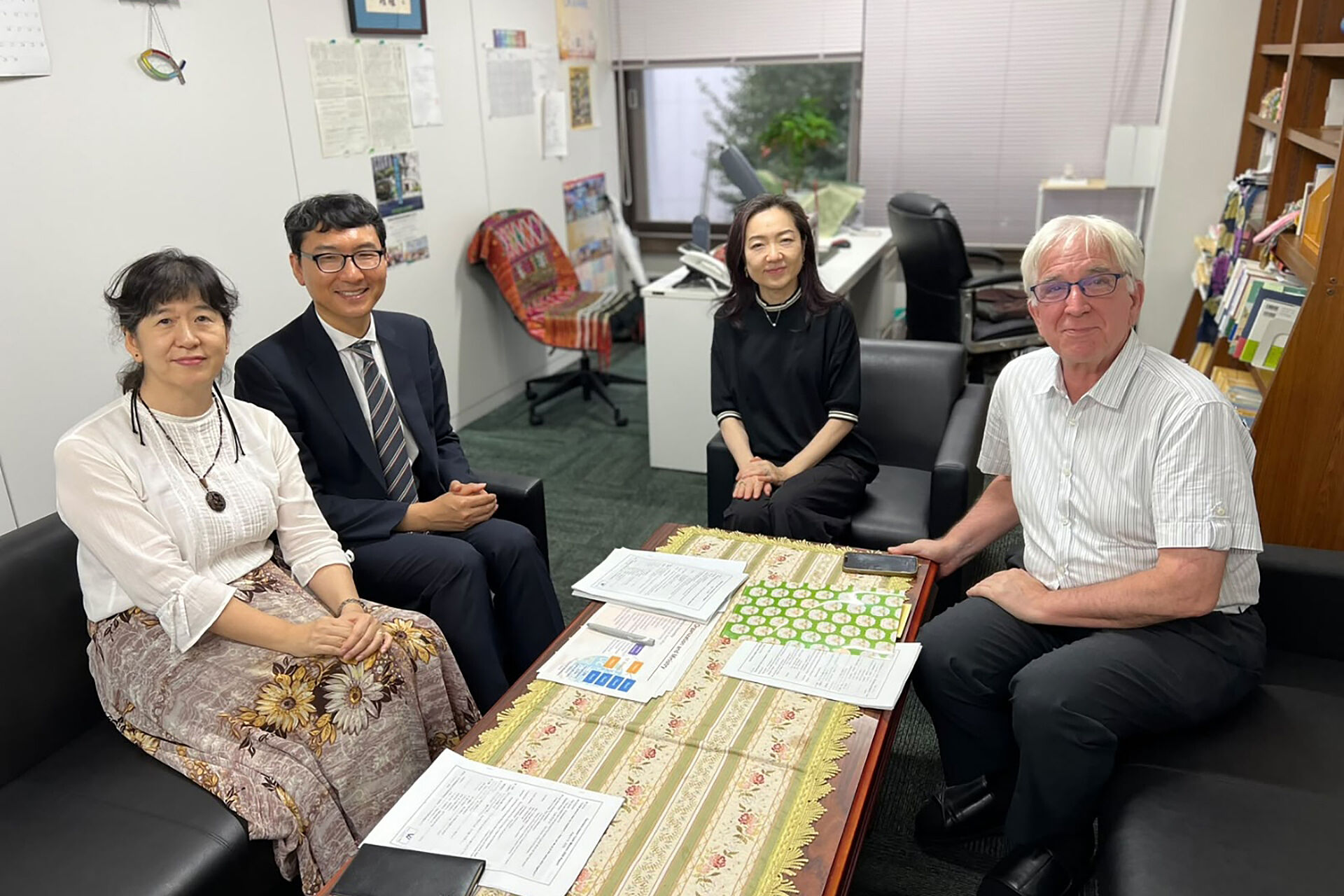
Rev. Dr Kang-Hee Han, Head of the EMS East Asia Unit, travelled to Japan at the end of September. During his visit, he met with representatives of the Japanese EMS member church and ecumenical partner organisations. The visit focused on discussions about further cooperation, strengthening church relations and visits to various institutions.
At the beginning of his visit, Rev. Han attended the 50th anniversary celebrations of the Tomisaka Christian Center (TCC) in Tokyo. The TCC is a research institute of the United Church of Christ in Japan (UCCJ), the only Japanese EMS member church. It has its roots in the historical work of the German East Asia Mission (DOAM) and continues to provide a space for engagement with Christian social ethics, history and peace-related issues in East Asia.
During meetings with the leadership of the UCCJ and the National Christian Council in Japan (NCCJ), the close relationship with EMS was reaffirmed. Together, they discussed how cooperation can be further developed and how the sustainability of the Japanese church and its public mission can be strengthened.
The visit also included a meeting at the Asian Rural Institute (ARI) in Tochigi Prefecture. The ecumenical training institution provides young people from different regions of the world with knowledge of organic farming and sustainable rural development. There, Rev. Han also met Hanna Zettler, who is currently serving as a volunteer at ARI as part of the EMS Ecumenical Volunteer Programme (EVP).
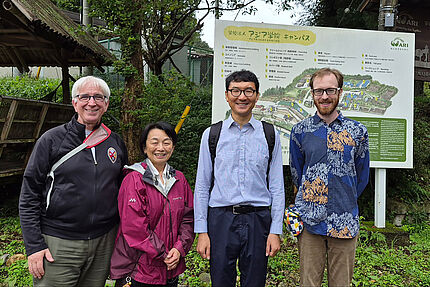
In Kyoto, Rev. Han also attended the opening of this year's Interreligious Studies in Japan Programme (ISJP), which is celebrating its 25th anniversary this year. Supported by EMS, the programme brings European students and scholars into contact with Japan's religious traditions and combines academic study with encounters on the ground. In the future, the programme is also to be opened to participants from EMS member churches in Asia and Africa.
The visit highlighted the diverse links between EMS and churches and ecumenical partners in Japan – from church cooperation and volunteer programmes to interreligious dialogue and academic engagement. At the same time, it provided an opportunity to deepen existing partnerships and develop new perspectives for joint work.