
Monday, 06. July 2026
Growing into Ministry with a Global Perspective
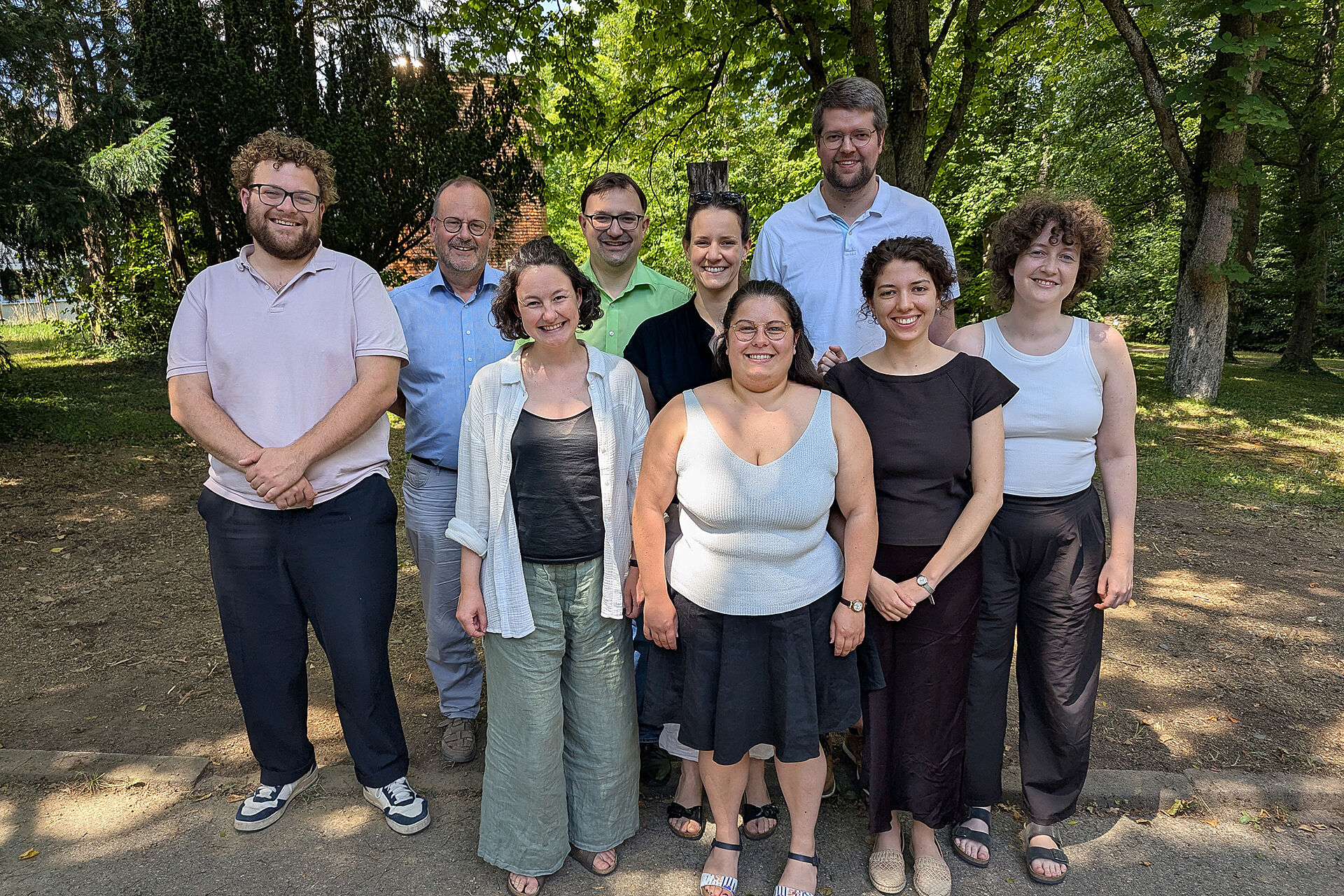
Through intercultural learning, global partnerships, and practical workshops, EMS encourages future pastors to see their ministry as part of the worldwide Church.
For almost ten years, engagement with the Evangelical Mission in Solidarity (EMS) has been an integral part of the training of vicars in the Evangelical Lutheran Church in Württemberg. Since 2017, EMS has been organizing a study day on intercultural and ecumenical theology together with the Pastoral Seminary of the EMS member church in Württemberg, reaching several hundred future pastors over the years.
Class sizes have varied between eight and forty participants in recent years. The most recent study day, held on 2 July at the Protestant Academy in Bad Boll, was attended by eight participants.
According to Rev. Eleanor McCormick, Head of Programmes and Networks at EMS, this commitment is an investment in the future of the Church. “Today’s vicars have just completed their final examinations and will begin their probationary ministry this autumn. As future parish pastors and church leaders, they will help shape the Church of tomorrow.”
“Our mandate is to help vicars understand the importance and relevance of the global Church for their future ministry,” explains Rev. Dr. Djoko Wibowo, Head of the Indonesia Unit at EMS. “We do this through practical workshops, insights into the history of EMS, and personal experiences from international partnerships.” The aim is to open up relationships and perspectives at an early stage that may later lead to cooperation, mutual encouragement, theological dialogue, and joint mission initiatives.
EMS as a Source of Inspiration
At the heart of this year’s study day was a symbolic image: a blue piece of fabric representing water. The message was clear: EMS seeks to be a source of refreshment, strength, and life for congregations and pastors.
“We want to be a cup of refreshing water,” McCormick explained. EMS sees itself as a place of new perspectives, international relationships, and spiritual resources. Especially during challenging phases of parish ministry, the worldwide community of churches can offer fresh inspiration and encouragement. At the same time, participants were reminded that EMS is not simply another church-related organization, but the shared mission organization of its member churches. Future pastors themselves are part of this worldwide mission.
Building International Relationships
Through several workshops, the vicars reflected on practical questions related to their future ministry. One working group compared different congregational contexts and discussed both the challenges and opportunities of working across denominational, linguistic and cultural differences. Topics such as hospitality, cultural sensitivity, and unconscious bias were explored, alongside the question of how global relationships can be brought to life within local congregations.
Another workshop focused on the so-called “Offering for World Mission” (OfW) that has a long-standing tradition in the Württemberg church. Participants reflected on how supporting international projects not only provides financial assistance abroad but can also enrich congregational life in Württemberg.
Vicar Susanna Grabenstein remarked:
“The EMS study day sharpened my awareness of how our individual congregations are connected to the international Christian community. I gained new insights into what we can do through the ‘Offering for World Mission’, educational work, and worship services to build relationships with others and to broaden our understanding of the richness of interculturality.”
EMS projects can open new horizons, strengthen international connections, and provide fresh inspiration for congregational life.
An Essential Part of Ministerial Training
For Rev. Dr. Ernst-Dietrich Egerer, Director of Studies at the Württemberg Pastoral Seminary, cooperation with EMS is a vital component of the training curriculum for future pastors:
“There is a long history between Württemberg and EMS, and it is important that this history continues. That is why it was essential to retain intercultural and ecumenical theology as part of ministerial training during the reform of the vicariate programme. It therefore made perfect sense to continue the positive relationships and experiences with EMS from the past and to offer these indispensable themes within the curriculum through this joint study day.”
Florian Binder, who already has experience with churches in other countries, added:
“Today I was reminded once again that the Church is always a global Church and does not end at the borders of Württemberg. Our connection with Christians around the world challenges us to act in solidarity and to take responsibility for one another.”
This is precisely the perspective that EMS seeks to strengthen: future pastors who think globally, act with cultural sensitivity, and actively contribute to the unity of the worldwide Church. EMS hopes that long-term relationships will emerge from these study days and that today’s vicars will carry the global dimension of the Church into their congregations and ministries.