
Thursday, 09. April 2026
Korea: Serving the Vulnerable in Faith and Solidarity
EMS Mourns the Death of Dr. Sung-Sook Yeo, Pioneer of Diakonia and “Mother of Tuberculosis Patients”
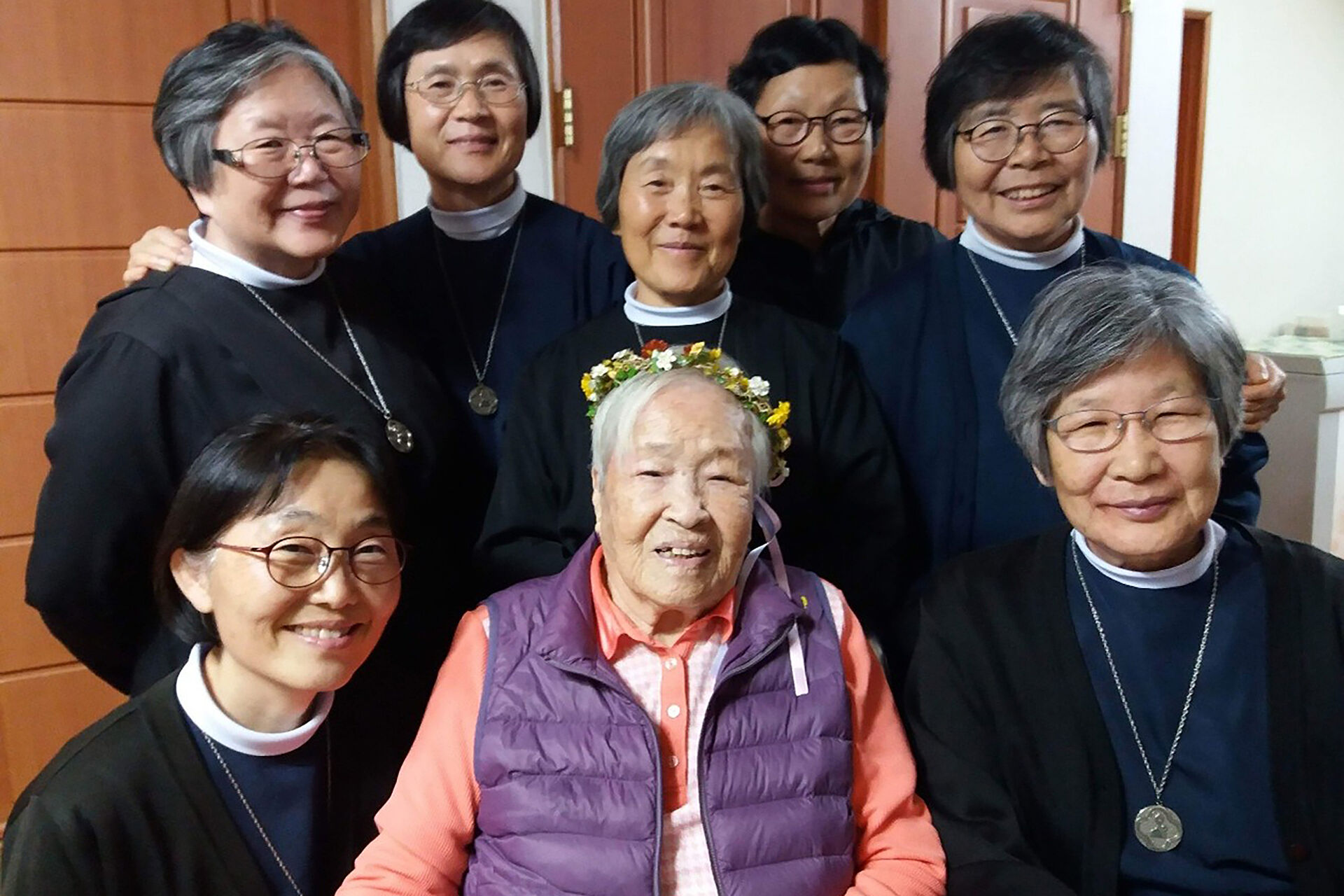
Dr. Sung-Sook Yeo, a visionary physician and one of the key initiators in the founding of the Diakonia Sisterhood in Korea – with which the Evangelical Mission in Solidarity (EMS) has had close ties since its inception – passed away peacefully on 16 March at the age of 108.
In a letter of condolence to the Sisters, the General Secretary of EMS, Rev. Dr. Dieter Heidtmann, expressed his heartfelt sympathy, describing Dr. Yeo as an “exceptional person.”
“May our connectedness in Christ sustain and comfort you during these days of mourning,” he wrote. “We are united with all of you in prayer.”
A Life Dedicated to the Maginalized
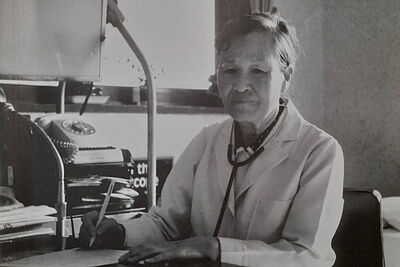
Born in 1918 into a poor farming family in Songhwa County, Hwanghae Province (North Korea), Dr. Yeo devoted her life to serving society’s most marginalized. Her work spanned Japanese colonial rule, the Korean War, and the long years of national rebuilding, always guided by a profound commitment to human dignity and service.
In January 1962, she founded Mokpo Clinic in the port city of Mokpo, at a time when tuberculosis (TB) was one of the most widespread and feared diseases in South Korea. TB thrived amid poverty, malnutrition, and overcrowding, and those affected were frequently stigmatized and socially excluded. Many delayed or avoided treatment for fear of rejection or financial hardship.
Mokpo, home to migrant workers, war widows, orphans, and refugees, bore the visible marks of postwar poverty. In this context, Dr. Yeo established her clinic not as a prestigious institution, but as a place intentionally open to those on the margins. The clinic soon became both a medical facility and a refuge for those with nowhere else to turn. Through her tireless commitment, it developed into a major regional centre for tuberculosis treatment, earning Dr. Yeo the affectionate title “Mother of Tuberculosis Patients.”
“Dr. Yeo never saw her patients as cases to be treated, but as lives to be restored,” recalled a representative of the Korean Diakonia Sisterhood. “Her compassion reshaped what care could look like in times of deep poverty and fear.”
Healing Through Dignity, Work, and Community
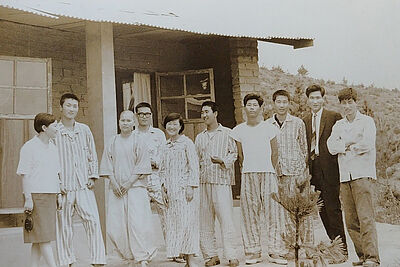
Through her daily work, Dr. Yeo came to recognize the limits of medical intervention alone. She understood that lasting healing required dignity, meaningful work, and community. Acting on this conviction, on 15 August 1965, she sold all her possessions to purchase barren land in Wangsanri, Samhyangmyeon, Muan County, about ten kilometres from Mokpo. There, she founded Hansan Village.
At a time when South Korea’s rapid industrialization and authoritarian development policies often left vulnerable groups behind, Hansan Village offered an alternative vision. Conceived as a self-supporting community, it enabled former tuberculosis patients to live and work together, share responsibility, and rebuild their lives with dignity. Rather than fostering dependency, the village emphasized participation, mutual support, and belonging.
Hansan Village stood in contrast to state-run sanatoria and settlement programmes, which were often hierarchical and tightly regulated. Instead, it embodied a grassroots, person-centred approach shaped by trust and shared responsibility. Dr. Yeo’s work there was deeply rooted in the spirit of Diakonia – the Christian calling to serve – placing her alongside the poorest and most marginalized.
Faith Shaped by Service and Solidarity
Dr. Yeo’s commitment increasingly intersected with theological and social movements grounded in Diakonia. During periods of political repression in the 1970s and early 1980s, faithbased initiatives emphasizing solidarity with the poor were frequently viewed with suspicion by the military government.
In May 1980, amid intense political unrest, the Korean Diakonia Sisterhood was founded at Hansan Village. Dr. Yeo played a decisive role in this process through her close collaboration with the late Prof. ByungMu Ahn, with whom she shared a vision of faith expressed through service and solidarity. Drawing on his experience with the Diakonia movement in Germany, Prof. Ahn proposed Hansan Village as the site for the new community after earlier plans had failed.
Dr. Yeo offered the land and participated in the founding alongside seven Sisters. Rev. Dorothea Schweizer, sent to Korea by EMS and closely connected to Prof. Ahn, also played a significant role in the Sisterhood’s early development.
Although central to its founding, Dr. Yeo never became a member of the Protestant Sisterhood. As a physician, she felt called to remain among the tuberculosis patients of the Mokpo region, while entrusting the operation of the sanatorium to the Sisters. In later years, she donated all her remaining assets to secure the sustainability and future of the community.
An Enduring Legacy
Mokpo Clinic and Hansan Village arose from specific historical realities – war, disease, poverty, and political repression – but their significance reaches far beyond them. Together, they represent a holistic response to suffering, addressing body, livelihood, community, and dignity.
Hansan Village eventually became not only a place of recovery but also a spiritual centre, including the Diakonia Nursing Home, where Dr. Yeo spent her final years. From March 2019, she lived there and was lovingly cared for by the Diakonia Sisters until her death.
In this way, Dr. SungSook Yeo’s life came full circle. She lived and died within the community she had helped to build, sustained by the same spirit of care, service, and solidarity that shaped her lifelong witness of Diakonia.