
Wednesday, 16. September 2026
Seoul Declaration for Just Peace Adopted
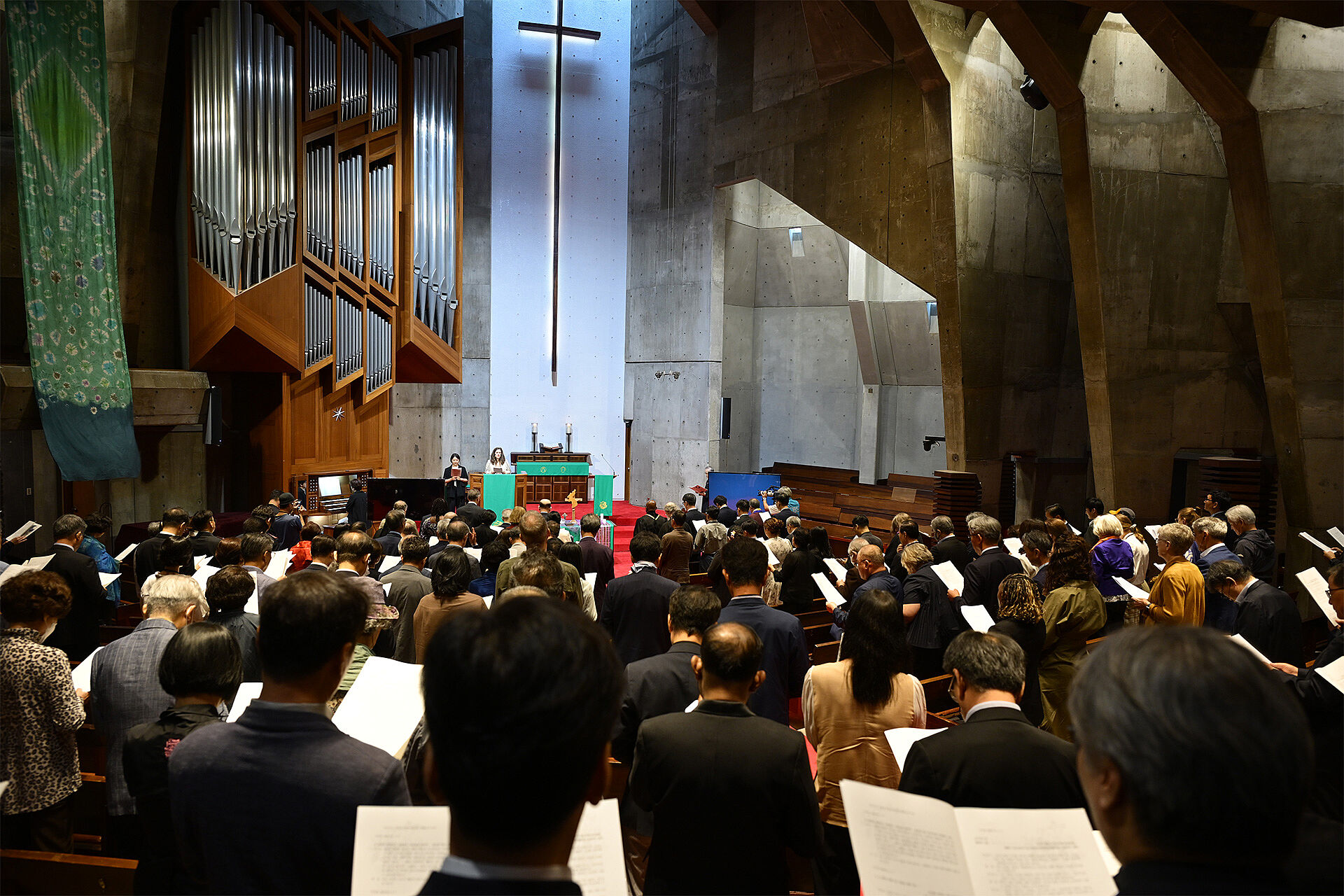
2026 International Ecumenical Peace Convocation Concludes with a Call to Churches to Strengthen their Witness and Action for Peace.
The 2026 International Ecumenical Peace Convocation, held from 9 to 13 September in Seoul, South Korea, concluded with a closing worship service at Kyungdong Church of the Presbyterian Church in the Republic of Korea (PROK), a member church of the Evangelical Mission in Solidarity (EMS).
Bringing together church leaders, theologians, peace advocates, and ecumenical partners from around the world, the convocation affirmed the churches' shared commitment to justice, reconciliation, and peace in a time marked by growing global conflicts and deepening geopolitical tensions. Organized by the World Council of Churches (WCC), the Christian Conference of Asia (CCA), and the National Council of Churches in Korea (NCCK), the gathering focused particularly on the role of the church as a community of healing, reconciliation, and peacebuilding.
Through its participation, EMS reaffirmed its commitment to standing in solidarity with people affected by war, violence, and injustice, including those living amid the ongoing tensions on the Korean Peninsula and in various global regions.
A key outcome of the convocation was the adoption of the 2026 Seoul Declaration for Just Peace, a common statement calling churches worldwide to strengthen their witness and action for peace.
A Common Voice for Just Peace
The declaration identifies several priorities for future action:
- Reducing the threat of war and promoting peaceful coexistence on the Korean Peninsula
- Encouraging humanitarian cooperation and ecological responsibility as pathways to peace
- Strengthening the church's ministry of healing, reconciliation, and peacebuilding
- Expanding global Christian solidarity in response to conflict, injustice, and militarization
“The Seoul Declaration challenges churches not only to speak about peace but to embody it through concrete action, international solidarity, and a renewed commitment to reconciliation,” said EMS President Rev. Anne Heitmann.
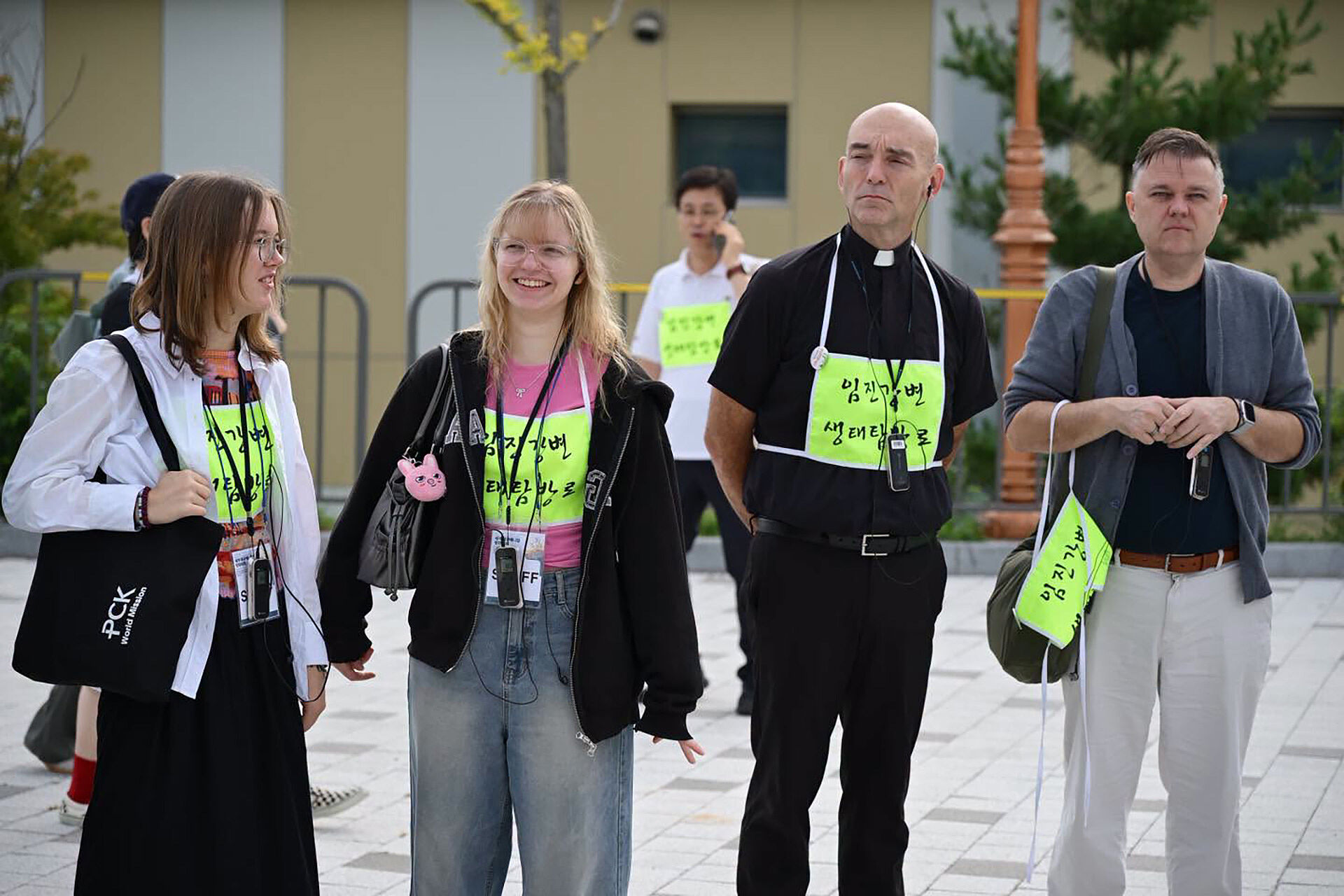
Beyond its plenary sessions and workshops, the convocation offered participants opportunities to engage with Korea's modern history. Visits to the National Museum of Korean Democracy and a peace pilgrimage to the Demilitarized Zone (DMZ) provided deeper insight into the Korean people's continued struggle for democracy, reconciliation, and peaceful coexistence.
EMS and Korean Churches: Decades of Partnership
EMS shares a long and significant history with churches in Korea. Since the mid-1970s, EMS representatives and partners, including Paul Schneiss, Dorothea Schweizer, and Winfried Glüer, have stood alongside Korean churches in their efforts for democracy, human rights, and peace. Over the decades, EMS has continued its engagement through peace prayer initiatives, partnerships, and advocacy for reconciliation on the Korean Peninsula.
The experiences of Korea's democratization movement and the ongoing search for lasting peace continue to inspire the EMS fellowship. “The Seoul convocation reaffirmed that these lessons remain highly relevant for churches worldwide as they seek to respond faithfully to the challenges of conflict, division, and injustice in today's world,” said Rev. Dr. Kang-Hee Han, Head of EMS East Asia Unit.